
A hot tub is heavy and full of parts people rarely think about. Most only notice this once removal day arrives. Hot tub removal cost depends on a few clear factors. Size, access, water weight, and materials all play a part. The type of tub and how it was installed also change the job. Knowing these details ahead of time helps you plan and avoid surprises on the day.
This guide walks through each factor in plain terms. By the end, you’ll know what to expect before you book a pickup.
What Determines Hot Tub Removal Cost
No two hot tub jobs look exactly the same. A small inflatable spa and a built-in eight-person unit call for completely different approaches. A few factors show up on almost every job, regardless of the tub itself.
- The size and weight of the tub
- How far the crew carries it to the truck
- Whether it still holds water
- What it’s made from, such as fibreglass or wood
- Whether it needs to be broken down first
- How the unit was installed, whether freestanding or built in
We price by weight, using certified onboard scales. You only pay for what actually leaves your property. See our how it works page for the full process.
Types of Hot Tubs and How They Differ
Not all hot tubs are built the same, and construction changes how removal goes. Portable acrylic spas sit on a base and can often be tilted and rolled to a truck. In-ground or built-in units are set into a deck or patio, which means extra cutting and framing work.
Older wooden hot tubs bring their own challenges. The wood absorbs water over years of use, adding weight beyond what the tub looked like new. Swim spas, which are longer and heavier than standard tubs, take more hands and more time to move safely.
Knowing which type you have helps set expectations before the crew arrives.
Size and Weight
Hot tubs range from small two-person models to large eight-person units. Bigger tubs come with heavier shells, thicker insulation, and larger pump systems. That extra material means more weight to haul away. Weight, not the brand or age of the tub, drives the price.
A full-size tub with its equipment pack still attached can weigh several hundred kilograms once drained. Add leftover water, and the number climbs fast. That’s part of why draining before pickup matters so much for both safety and accuracy.
Access and Location
Where the hot tub sits changes the job just as much as its size. A tub on a ground-level patio next to a driveway is simple to reach. One tucked behind a fence, up a flight of stairs, or squeezed onto a rooftop deck takes far longer.
A few access issues come up often on real jobs.
- Narrow side yards or gates that need removing
- Stairs, decks, or raised patios
- Long distances from the tub to the driveway
- Landscaping, fencing, or garden beds in the path
- Shared laneways in townhouse or strata properties
Tight access adds labour time, which affects the final weight-based total. Clearing a path beforehand, where it’s safe to do so, can speed things along.
Draining and Disassembly
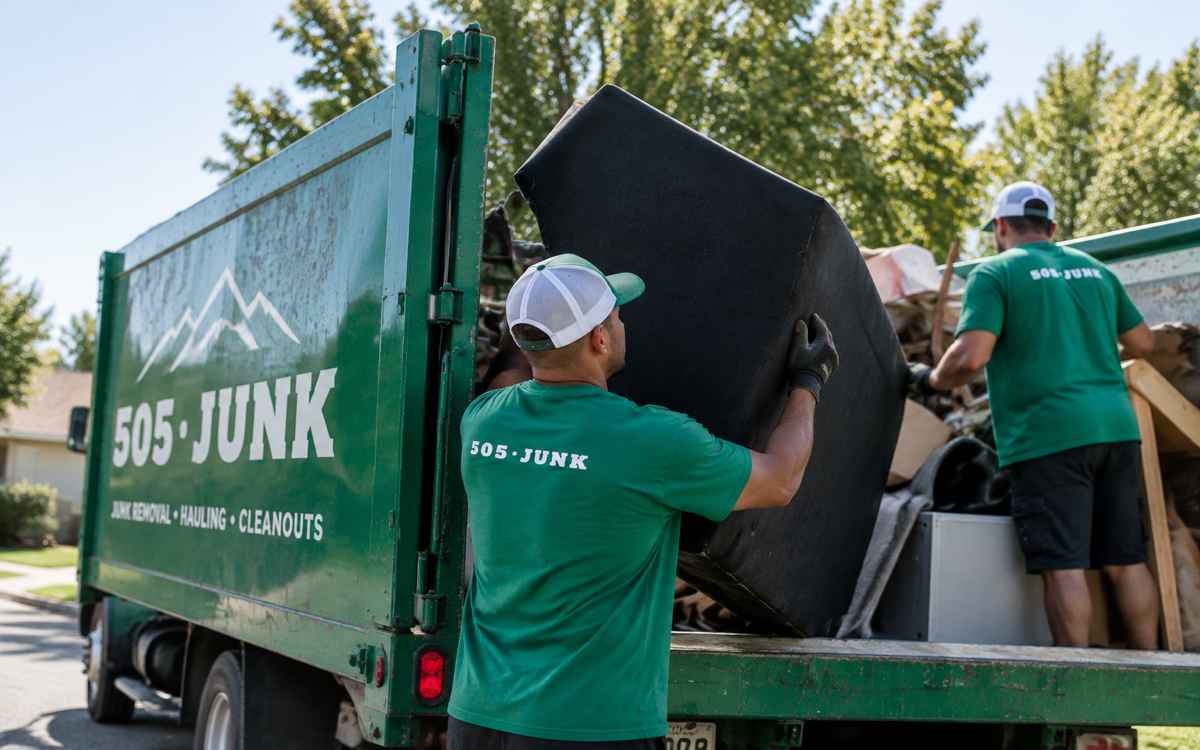
Most hot tubs need draining before they can be moved safely. Many also need to be cut into smaller, more manageable pieces. This protects your lawn, your fence, and the crew doing the lifting.
A typical job includes a few key steps.
- Draining the water safely, away from storm drains
- Removing the cabinet skirting
- Cutting the shell into manageable sections
- Disconnecting any electrical hookups
- Removing the equipment pack and plumbing lines
If your tub is wired into a dedicated circuit, have a licenced electrician disconnect it first. This keeps the crew safe and avoids delays on pickup day.
Preparing Your Yard Before Pickup Day
A little preparation goes a long way toward keeping the job smooth. Clear loose items from around the tub, including covers, steps, and any nearby furniture. If pets or children use the yard, keep them away from the work area while the crew is on site.
It also helps to point out anything fragile nearby, such as garden beds or irrigation lines. Letting the crew know about tight corners or low branches in advance saves time once they arrive. None of this changes the underlying price, but it does help the job move faster.
Where the Materials End Up
Hot tub shells combine fibreglass, acrylic, foam insulation, and wood or composite skirting. That mix looks a lot like broader demolition waste tracked across the region. A recent Metro Vancouver composition study shows how much of this material can be diverted from landfill rather than buried. The City of Vancouver’s guide on reducing construction waste points the same way, with sorting as the first step.
We sort what we collect and route as much as possible toward recycling or donation partners. Metal components, wiring, and certain plastics can often be separated and processed rather than landfilled. Read more about our approach on the why 505 page.
DIY Removal Versus Professional Help
Some homeowners consider removing a hot tub themselves to save money. It’s possible with the right tools, but it comes with real risk. Hot tubs are awkward to lift, and shells can crack or splinter under pressure.
There’s also the disposal side to think about. Most municipal collection services won’t take a full hot tub curbside, which leaves cutting, hauling, and drop-off entirely up to you. For most people, the time and physical strain outweigh what they’d save doing it alone.
Timing and Seasonal Considerations
Hot tub removal can happen at any time of year, though a few seasonal factors are worth knowing. Winter jobs sometimes involve ice buildup around the base, which can slow the draining process. Summer jobs tend to book up faster, especially around long weekends when yard projects peak.
Booking a couple of weeks ahead, where possible, helps avoid scheduling crunches. Same-day service is available for anyone who needs the tub gone right away.
Bundling It With Other Projects
Hot tubs rarely get removed on their own. Backyard renovations often mean old decking, a shed, or patio furniture leave at the same time. Our outside junk removal service can cover the whole yard in one trip.
Combining projects like this often keeps the overall job more efficient than booking separate pickups. If you’re clearing a whole property rather than one backyard feature, an estate cleanout team can fold the hot tub into the wider job.
Why Weight-Based Pricing Makes Sense for Hot Tubs
Hot tubs are exactly the kind of item where guessing goes wrong. Two tubs that look similar in size can weigh very differently once you factor in wet wood, old insulation, or a heavy equipment pack. Pricing by volume or by eye leaves too much room for error.
Certified onboard scales remove the guesswork. You see the number, and you pay for what actually leaves your property. That’s the core idea behind fair hot tub removal cost, and it’s why we built the whole process around it.
Frequently Asked Questions
Do I need to drain the hot tub myself?
No. Our crew handles draining on site as part of the job. Just make sure the area around the tub is clear.
Can a hot tub be removed in winter?
Yes. Cold weather doesn’t stop removal, though ice around the base can slow the process slightly.
What if the hot tub is broken or unusable?
That’s fine. Broken units are removed the same way as working ones.
Do you take above-ground hot tubs built into a deck?
Yes. Built-in units take more disassembly time, which our team accounts for on site.
Does condition affect the price?
Weight is what drives the price, not condition.
How long does a typical hot tub removal take?
Most jobs take one to two hours, depending on access and disassembly needs.
Can you remove a hot tub along with other backyard items?
Yes. Many customers combine hot tub removal with decking, sheds, or old furniture in one visit.
Ready to get the old tub out of your yard? Request a quote and we’ll give you a clear, weight-based price before we start.