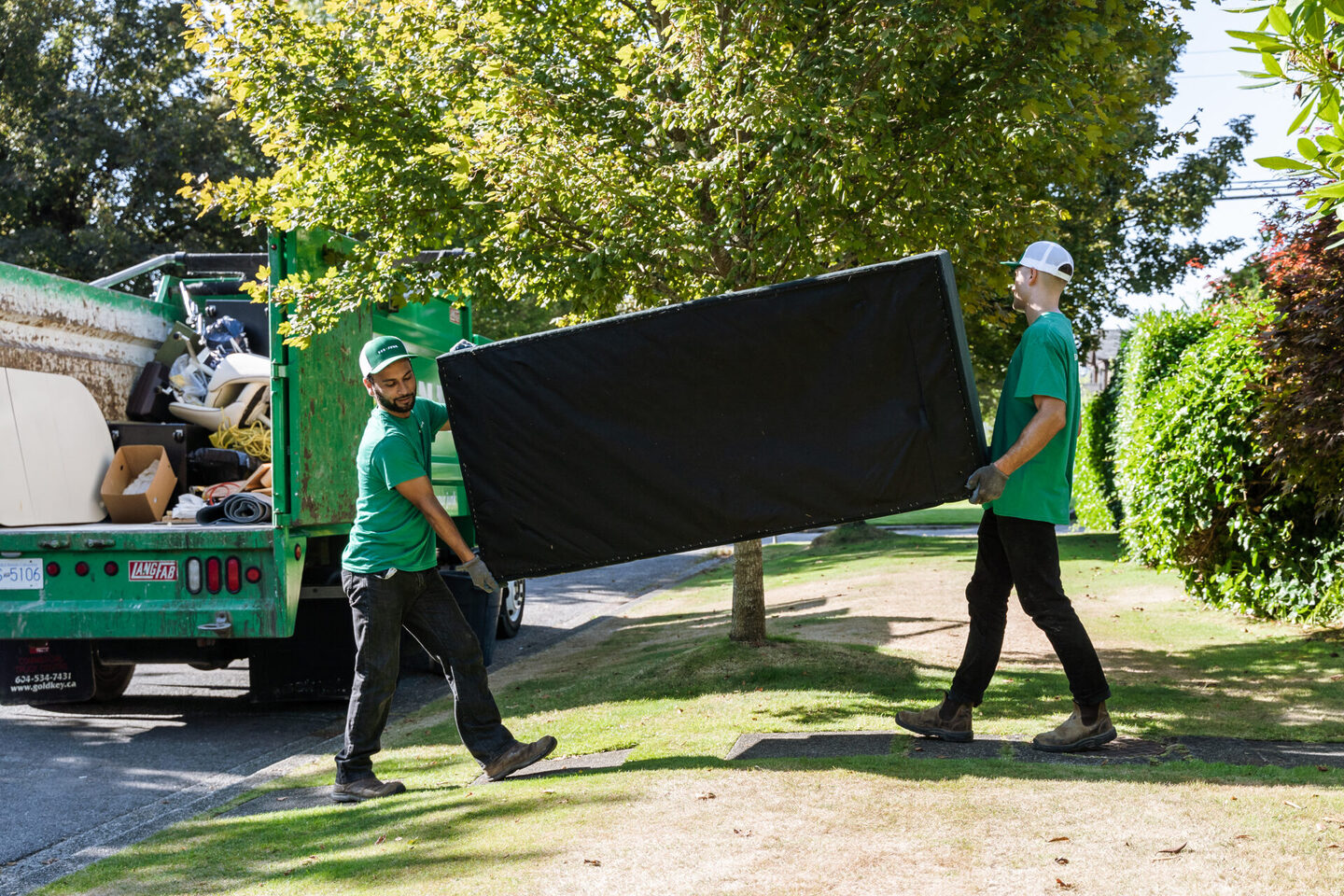
Appliance removal cost isn’t one fixed number. A washer, a fridge, and a stove don’t weigh the same. They don’t load the same either, and they don’t dispose of the same way. Here’s what drives the price up or down, and what to ask before you book.
Weight and Size Set the Baseline
Appliances are some of the heaviest items a crew hauls out of a home. A fridge or a washer weighs far more than a couch of similar size. Weight is exactly what a weight-based quote is built on. The heavier the unit, the more it costs to remove.
Size counts too, for a different reason. A large fridge or a chest freezer takes up more room in the truck. It also takes more time to manoeuvre through doorways and hallways. Both weight and size feed into the final number. A single large appliance can end up costing more than several smaller ones combined.
What’s Inside the Appliance Changes the Process
Refrigerators, freezers, and air conditioners hold refrigerant. That refrigerant cannot just get tossed in a landfill. It has to be properly recovered before the unit gets recycled. That extra step takes time and specialized handling. It’s a real part of what separates appliance removal from hauling away an old couch.
Washers and dryers carry their own quirks too. Both contain metal components worth recycling. They also need to be drained and disconnected properly first. A crew that skips this step isn’t doing the job right. The ones that handle it correctly usually reflect that in how they price the pickup.
Quantity and Access Move the Number
One appliance costs less to remove than five. That much is obvious, but access counts almost as much as quantity. A fridge sitting in a ground-floor kitchen is a quick job. The same fridge stuck in a third-floor walk-up takes longer and needs more of the crew.
Curbside pickup tends to cost less than a full walk-through service. The crew doesn’t have to disconnect and carry the unit out themselves. If your appliance is still hooked up to water lines or gas, plan for extra time. The crew needs to disconnect it safely before it can leave the room.
How the Pricing Model Changes What You Pay
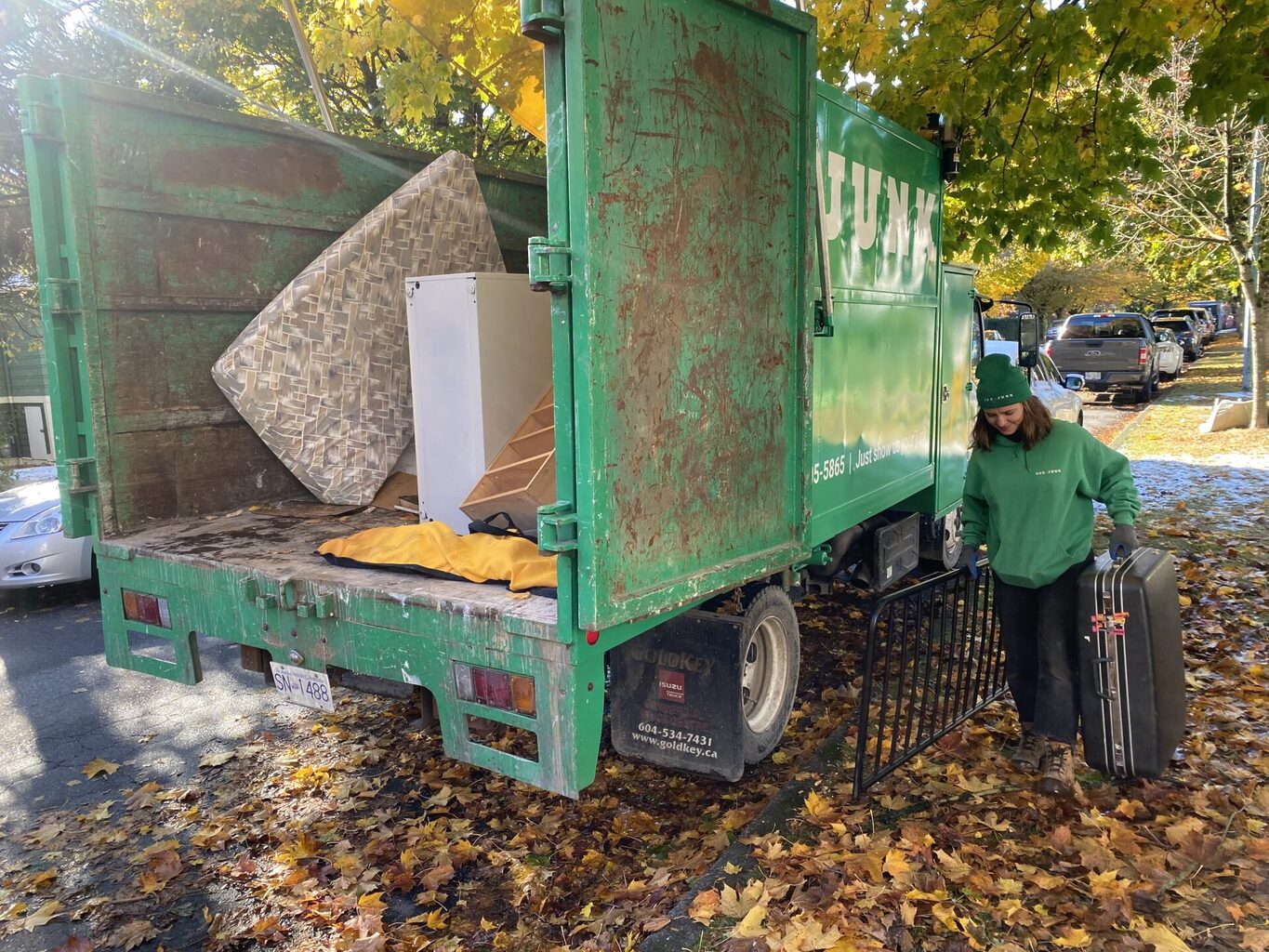
Some companies price by truck space. They estimate how much room your appliance takes up. That estimate can shift once the crew sees the unit in person. A weight-based model works differently. The appliance goes on a certified scale. You pay for what it truly weighs, not a guess made from across the room.
Our own trucks run on Measurement Canada-certified onboard scales. You can see how pricing works before the truck ever leaves your property. That holds true whether you’re removing one appliance or a full kitchen’s worth. You see the number before the job wraps up, not after.
Appliances During a Renovation
Appliance removal rarely happens on its own during a kitchen renovation. Old units usually leave alongside cabinets, flooring, and other demolition debris. Metro Vancouver’s waste composition study shows how much of this material can be diverted from landfill. Appliances with recyclable metal fit right into that picture.
Regional guidance on demolition waste encourages sorting materials separately wherever a job allows it. The City of Vancouver’s own program for reducing construction waste backs the same approach. A crew already following these practices can usually fold appliance pickup into the same trip. That tends to work out cheaper than booking two separate services.
If your renovation includes more than just appliances, our construction waste removal service can help. It handles both in one visit.
Residential vs Commercial Jobs
A single appliance in a home is one kind of job. Clearing out a unit for a property manager is another. Landlords and strata councils often deal with several appliances at once during a turnover. That volume changes both the timeline and the approach.
Our residential service handles the one-off fridge or washer swap. Our commercial service is built for buildings replacing appliances across multiple units on a schedule.
How Timing Affects the Price
Appliance removal doesn’t always happen on a convenient schedule. A fridge can die on a Tuesday night. You need it gone before a new one arrives. Same-day pickup usually costs more than booking a few days ahead. It means shuffling a route on short notice.
Scheduled pickups give a company more room to plan. A crew can group your appliance with other jobs in your area on the same day. That efficiency often keeps the price lower than an urgent, single-stop trip. If your timeline is flexible, mention that when you book. It can work in your favour.
Weekend and holiday pickups tend to run tighter too. Fewer crews are on the road, and the ones that are get booked up fast. Planning around a weekday, if you can, usually gives you more options. It also tends to make for a smoother booking process overall.

Questions to Ask Before You Book
A few direct questions can save you from a surprise number later. Ask whether the price is based on weight or an estimate by eye. Find out if refrigerant recovery is included, especially for a fridge, freezer, or air conditioner. A company that treats this as a separate add-on should say so upfront. Don’t wait to find out after the truck shows up.
Ask whether the crew disconnects the appliance for you, or expects it ready to go. This counts most for washers and dryers still hooked up to water and power. Ask how they handle the metal and components once the appliance leaves your property. A provider with a real answer, not a vague one, is usually the safer choice.
Ask what happens if the appliance turns out heavier or bulkier than expected. A weight-based provider adjusts fairly, since the scale settles the number either way. Volume-based providers may renegotiate the quote on the spot. That’s worth knowing before the truck ever shows up at your door.
Frequently Asked Questions
What is the biggest factor in appliance removal cost?
Weight is usually the biggest factor. Fridges, washers, and stoves are some of the heaviest household items a crew handles. Access and quantity play a role too.
Do refrigerants affect the price?
Yes. Refrigerant recovery from fridges, freezers, and air conditioners takes extra time. Proper handling comes before the unit can be recycled.
Is it cheaper to remove multiple appliances at once?
Usually, yes. Bundling several appliances into a single pickup costs less than booking separate trips for each one.
Can appliances be removed during a renovation cleanout?
Yes. Appliances can typically be picked up alongside other renovation debris in the same visit. That saves time and often reduces the overall cost.
Does timing affect the price of appliance removal?
Yes. Same-day pickups cost more than scheduled ones, since they require shuffling a route on short notice. Booking a few days ahead usually works out cheaper.
Do I need to disconnect the appliance myself?
It depends on the provider. Some crews handle disconnection as part of the service. Others expect the appliance ready to go before they arrive.
Ready to find out your appliance removal cost? Request a pickup and get a weight-based number you can trust.