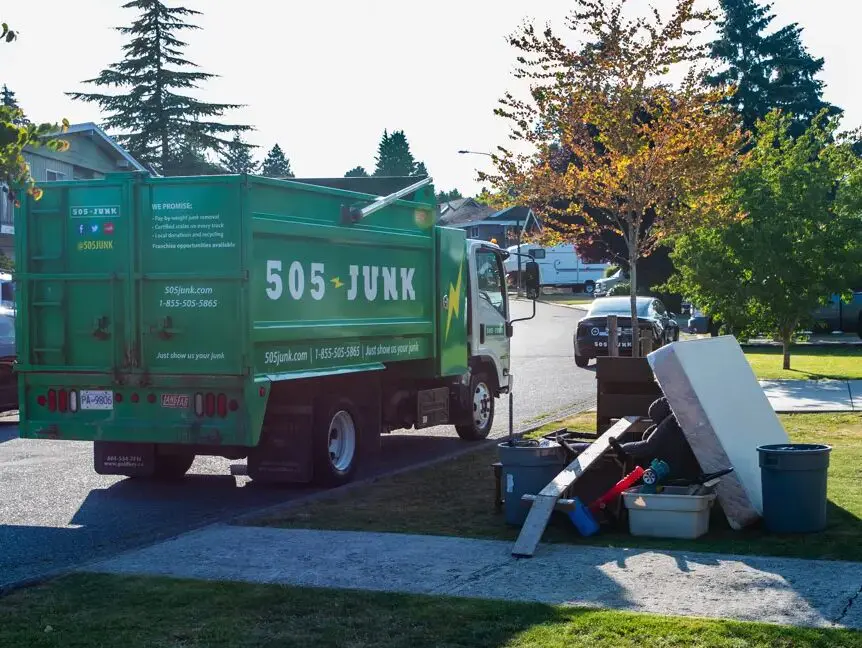
Renovation debris piles up fast. Drywall, old cabinets, flooring, and scrap wood can fill a driveway in a single afternoon. Once the truck arrives, most people ask the same thing. What drives construction waste removal cost, and why does one job cost more than another?
The answer comes down to a handful of clear factors. Weight, material type, site access, and timing all play a part. Once you understand them, pricing stops feeling like a guess and starts feeling like a straightforward calculation.
Weight Is the Biggest Factor
The single largest driver of price is how much your junk weighs. Concrete, tile, and drywall are dense and heavy. Foam insulation and cardboard packaging weigh almost nothing by comparison. Two trucks that look equally full can carry very different totals depending on what’s inside.
Companies that price by volume, or by “space used,” often guess at this number. That guess can push your bill higher than it should be. Measurement Canada-certified onboard scales remove the guesswork entirely. The truck weighs your load. The number on the screen is what you pay for.
What the Waste Composition Data Shows
Not all renovation debris is created equal, and the numbers back that up. A Metro Vancouver waste composition study looked closely at this. Wood makes up close to half of construction and demolition material disposed in the region. Plastic came in as the next largest category by weight.
That gap affects pricing directly. A load heavy in wood and plastic behaves differently than one loaded with concrete or drywall. Crews plan truck space and disposal routing around exactly this kind of mix.
Material Type Changes the Math
Not all debris is treated the same at the disposal facility. Wood is one of the largest parts of the construction and demolition waste stream in Metro Vancouver. It can often be diverted for recycling instead of landfill. Mixed loads with hazardous material, like old paint or treated lumber, usually cost more to process.
A load sorted into clean categories tends to move faster through disposal. Wood, metal, and drywall each go a different route. One mixed pile of everything at once slows that process down.
Even small habits on-site help. Setting aside a separate pile for metal fixtures or clean wood offcuts keeps sorting simple. It saves the crew time once they arrive.
Access and Site Location Matter
A ground-floor renovation with a driveway is simple to clear. A third-floor condo reno with no elevator takes longer. Crews carrying debris down stairs or through narrow hallways spend more time on-site. That extra time factors into the final number.
Distance to the disposal facility plays a role too. Jobs further from the transfer station can add travel time to a job.
Labour and Truck Size Also Play a Role
Bigger jobs need bigger crews. A full basement gut needs more hands than a single-room refresh. More people on a job means more labour built into the final number.
Truck size works the same way. A small pickup load clears in one trip. A full demolition might need multiple runs to the transfer station. Each extra trip adds time, fuel, and disposal fees to the total.
This is another spot where weight-based pricing keeps things fair. You pay for what the scale reads. Trip count and crew size are already handled on our end.
Homeowners, Property Managers, and Contractors Pay Differently
The type of client also shapes how a job gets handled, even when the material looks similar. A homeowner clearing a kitchen renovation usually has a single, predictable load. A property manager handling a multi-unit turnover often needs recurring pickups scheduled around tenant move-outs.
Contractors and renovators tend to generate the heaviest, most varied loads. Demolition debris, old fixtures, and general job-site cleanup can all show up in the same run. Weight-based pricing works well across all three groups. It measures the actual load every time, not a flat rate based on who called.
Timing Affects the Bill Too
Rush jobs often carry a premium with other companies. That happens when a crew gets pulled off another site with short notice. Same-day service with no rush surcharge keeps this variable out of your quote. Booking ahead of a demolition deadline still helps crews plan properly. It keeps the route and truck size efficient on both ends.
Seasonal Demand Can Shift Scheduling
Spring and summer bring a wave of renovation projects across Greater Vancouver. Crews and trucks get busier during these months. Booking a pickup early in a project timeline helps secure the date you need.
Winter tends to move slower for renovation debris, though demolition and cleanup work still happens year-round. Either way, same-day availability means a tight schedule rarely becomes a problem.
Why Pay-by-Weight Beats Guesswork
Volume-based pricing asks a crew to eyeball how “full” a truck looks. Two identical-looking loads can weigh very different amounts. A truck bed of broken tile weighs far more than the same space filled with foam.
Weight-based pricing removes that guesswork from your construction waste removal cost. You see the real number, not someone’s estimate of a full load. That transparency counts most on renovation jobs, where debris types shift from room to room.
It also supports where your material ends up. Building materials make up close to a third of Vancouver’s landfill waste each year. Sorted loads have a far better shot at recycling than mixed ones. A 95% landfill diversion rate depends on handling loads with that in mind from pickup to drop-off.
Common Renovation and Demolition Debris We Take
Every job looks different, but most cleanups involve a mix of the same core materials. Knowing what typically shows up helps set expectations before the truck arrives.
- Drywall, plaster, and flooring offcuts
- Old cabinetry and countertops
- Scrap wood, framing lumber, and trim
- Concrete, brick, and tile in manageable amounts
- Metal fixtures, piping, and hardware
- General site cleanup after a demolition or renovation project
Each category above weighs differently. That is exactly why weight-based pricing gives contractors and homeowners a fairer number than a volume guess.
Frequently Asked Questions
How is construction waste removal priced?
Pricing is based on the actual weight of your load. It is measured with certified onboard scales, so heavier materials like concrete cost more than lighter debris.
Does same-day construction cleanup cost more?
No. Same-day service comes with no rush surcharge. Booking last minute for a tight renovation deadline does not add a premium to your bill.
Can construction debris be recycled instead of landfilled?
Yes. Wood, metal, and other sorted materials are regularly diverted from landfill. A 95% landfill diversion rate depends on keeping loads sorted where possible.
What items typically raise the price the most?
Dense material like concrete, tile, and drywall adds weight fast. Hazardous items like old paint or treated wood may need special handling too.
How can I keep my costs down?
Sorting debris into categories like wood, metal, and drywall helps crews process it faster. Clearing a path to the material also saves labour time on-site.
Do I need a permit for construction debris pickup?
Most residential renovation pickups do not need a permit. Larger demolition projects may fall under municipal rules, so check with your local building department first.
Get a Fair Number for Your Next Project
Every renovation and demolition job is different. A fair quote should reflect that difference. A certified scale gives you a number you can trust before the truck leaves your site.
Usable cabinetry, fixtures, and building materials do not always need to end up as waste at all. Items in good condition can go toward our Habitat for Humanity donation partnership instead of the landfill. That keeps more material in circulation and helps support the region’s overall diversion goals.
Whether it’s a single-room renovation or a full demolition, knowing what shapes your total helps. A clear number, weighed on the spot, is easier to plan around than a shifting estimate.
Planning a cleanup in Greater Vancouver? Request a pickup and see your construction waste removal cost calculated the fair way. By weight, not by chance.